
Ramadan, the holiest month in the Islamic calendar, is a time of reflection, spiritual growth, and community bonding. As Empleo Events, we believe in embracing the essence of this sacred time and infusing it into our event planning endeavors. With the UAE reducing working hours during this period, it’s the perfect opportunity to craft unforgettable experiences while respecting the traditions and values of Ramadan. Here’s how we can make the most of this auspicious time together:
1. Respecting Cultural Sensitivities:
Ramadan is a time of fasting and prayer for Muslims around the world. As event planners, it’s crucial to respect the customs and traditions associated with this month. This includes avoiding loud music, refraining from serving food and drinks in public during fasting hours, and being mindful of prayer times when scheduling events.
2. Creating Meaningful Experiences:
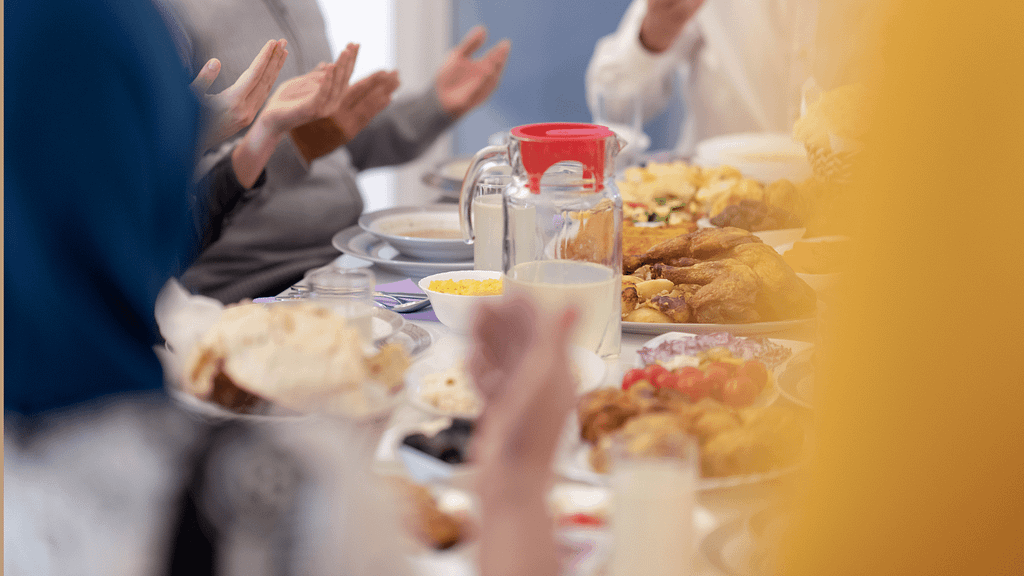
Ramadan is not just about abstaining from food and drink; it’s a time for spiritual reflection and acts of kindness. Consider incorporating elements of giving back and charity into your events. Whether it’s organizing a donation drive, volunteering at a local charity, or hosting an iftar for those in need, these initiatives can add a deeper layer of meaning to your events.

3. Adapting to Reduced Working Hours:
With the UAE implementing shorter working hours during Ramadan, it’s essential to adjust your event planning accordingly. Plan ahead and allocate ample time for preparation and setup to ensure smooth execution despite the reduced working hours. Communication is key during this time, so keep your team and clients informed about any changes in schedules or timelines.

4. Optimizing Event Timing:
In Ramadan, the time between iftar (breaking the fast) and suhoor (pre-dawn meal) is precious for Muslims. Consider scheduling your events during these times to allow attendees to participate without conflicting with their religious obligations. Additionally, hosting iftar gatherings or suhoor soirées can be a wonderful way to engage with clients and colleagues while observing the traditions of Ramadan.

5. Enhancing the Ramadan Experience:
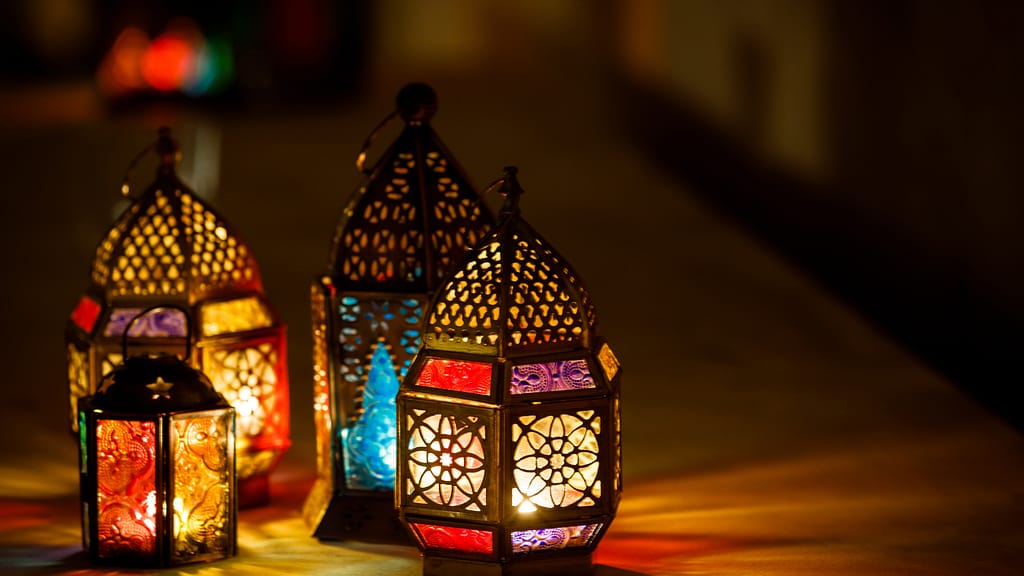
Incorporate elements of Ramadan into your event design and decor to create an immersive experience for attendees. From elegant Arabic calligraphy and lanterns to traditional music and entertainment, infuse your events with the sights, sounds, and flavors of Ramadan. Consider partnering with local artisans and vendors to source authentic decorations and culinary delights that capture the spirit of the season.
6. Offering Practical Tips for Event Planning:
As seasoned event planners, we understand the challenges and intricacies of organizing events during Ramadan. Here are some practical tips to help you navigate this period smoothly:
- Plan well in advance and secure venues and suppliers early to avoid last-minute rush.
- Stay flexible and adaptable to accommodate any changes or adjustments that may arise.
- Communicate clearly with clients, vendors, and attendees about event details, timings, and expectations.
- Prioritize hydration and self-care, especially if you’re fasting, to ensure you have the energy and stamina to manage events effectively.
Conclusion:
Ramadan is a time of unity, compassion, and celebration. By incorporating these principles into your event planning process, you can create memorable experiences that resonate with attendees and honor the spirit of this sacred month. Let’s embrace the beauty of Ramadan together and craft events that leave a lasting impression on hearts and minds.
Ramadan Kareem!